E-commerce Packaging in Tunisia: Tips and Best Practices
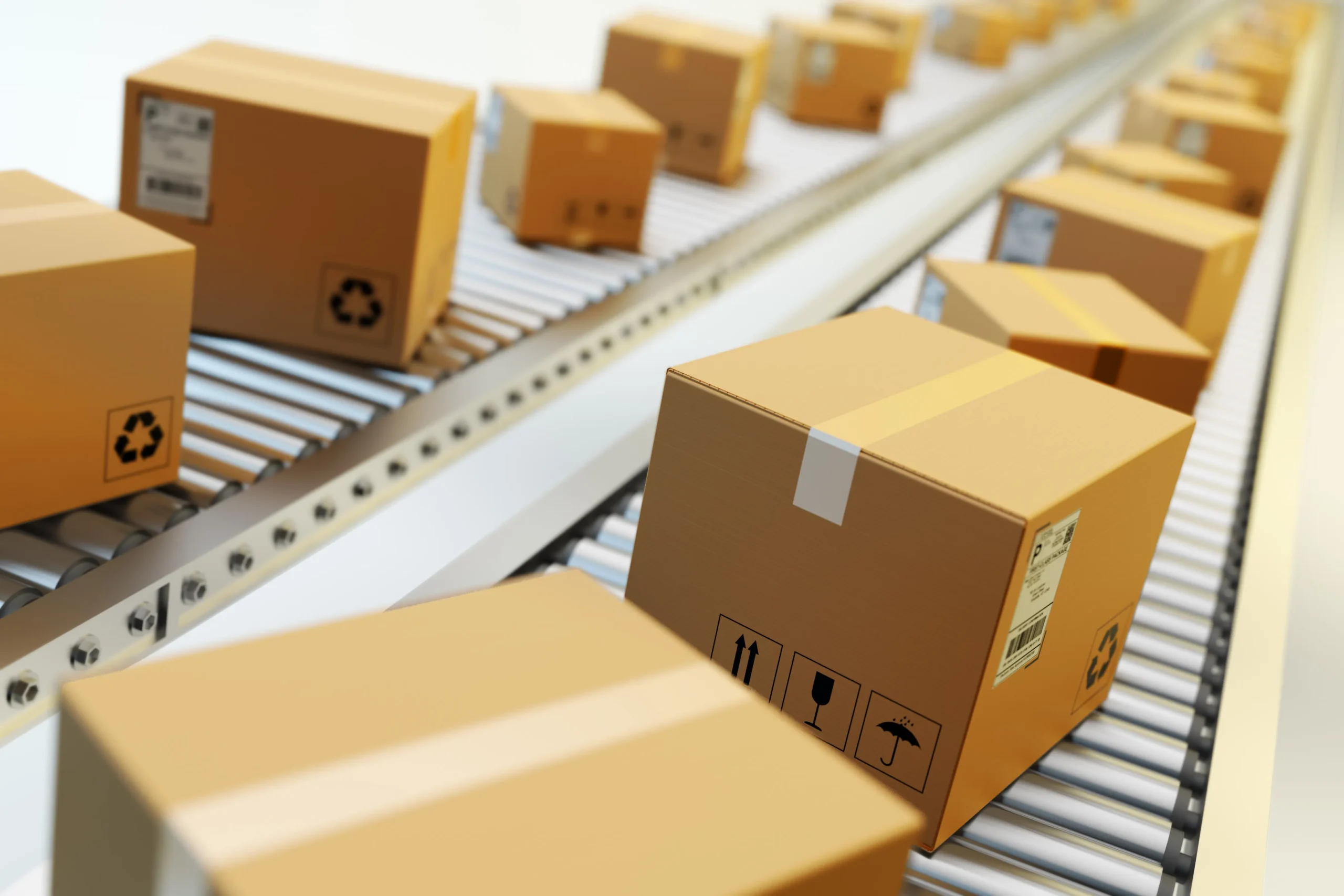
Packaging is a key part of selling online. It does more than protect products during shipping: it also carries your brand image and gives customers a positive experience. In Tunisia, where e-commerce is growing fast, packaging matters more and more. This article looks at the best packaging practices for Tunisian online sellers, with a focus on product protection, sustainability, and cost control.
Why packaging is essential in e-commerce
Product protection
The first job of packaging is to protect the product during shipping. With the rise of e-commerce, products often travel long distances and pass through several distribution centers before they reach the end customer. Strong packaging is therefore essential to avoid damage. In Tunisia, where transport infrastructure can sometimes be a challenge, strong packaging matters even more.
Brand image
Packaging is often the first physical point of contact between the customer and the brand. It should reflect your brand identity and make a good first impression. Careful, elegant, or personalized packaging can strengthen how people see the quality of your product and the attention you give your customers. Tunisian companies that invest in quality packaging stand out in an increasingly competitive market.
Customer experience
The moment of opening the package, or “unboxing”, has become a key part of the customer experience. Well-designed packaging can turn a simple purchase into a memorable experience and encourage customers to share it on social media. This sharing can then create free advertising and raise brand awareness.
What makes good e-commerce packaging in Tunisia
Durability
Good packaging must protect the product from shocks, humidity, and other risks during shipping. The materials must be strong enough to avoid returns of damaged products, which can create extra costs for your business and hurt customer satisfaction.
Sustainability
As awareness of environmental issues grows, many Tunisian consumers prefer environmentally friendly packaging. This can include recycled or recyclable materials, as well as innovative solutions such as biodegradable packaging. Sustainable packaging practices can also strengthen your brand image and attract environmentally conscious customers.
E-commerce packaging costs
Cost is a deciding factor for businesses, especially small and medium-sized ones. You need to find a balance between the quality of your packaging and its cost. In Tunisia, where margins can be tight, managing packaging costs well is essential to stay profitable.
Adaptability
Products sold online are varied, from clothing to electronics to food. Good packaging must adapt to the specific needs of each type of product. This can include adjusting the size of the packaging or using suitable padding materials.
Packaging types that work for e-commerce
Cardboard boxes
Cardboard boxes are one of the most common types of e-commerce packaging. They are strong, light, and relatively cheap. You can use them for a wide range of products, from clothing to electronics. They are also easy to personalize with logos or messages, which strengthens your brand image.
Padded envelopes
Padded envelopes are ideal for smaller, less fragile products, such as books or light clothing. They offer enough protection and take up less space than boxes, which can reduce shipping costs. They are also often more environmentally friendly, because they need less material.
Plastic bags
Plastic bags are commonly used for clothing and other non-fragile items. They are light and resist humidity, which is an advantage in some climates. However, using plastic raises environmental concerns, and many consumers prefer greener alternatives.
Personalized packaging
Personalized packaging helps businesses stand out by giving customers a unique experience. Whether it is boxes with specific designs or ribbons with the company logo, these personal touches can leave a lasting impression. In Tunisia, where competition in e-commerce is growing, personalized packaging can be an effective way to build customer loyalty.
Doypack packaging
The Doypack, a pouch-style package, is more and more popular in e-commerce, especially for food, cosmetics, and household products. People like it because it is versatile and keeps products fresh. In Tunisia, where local food products such as spices or snacks are often sold online, the Doypack is a practical solution. It is also environmentally friendly when made from recyclable or biodegradable materials, which answers the growing consumer demand for greener packaging.
Tape and packaging accessories
Scotch, or adhesive tape, is an essential accessory for securing packages. It must be strong enough to keep boxes closed during shipping. In Tunisia, where temperatures can be high, it is important to choose a tape that handles heat well so it does not come unstuck. Besides tape, other accessories such as labels, padding, and security ties are essential to make sure the product arrives in good condition. Well-secured packaging can make the difference between a happy customer and a costly product return.
Packaging regulations and standards in Tunisia
Safety and hygiene standards
Tunisian companies must respect certain safety and hygiene standards for packaging, especially for food and cosmetics. These standards aim to make sure products are not contaminated and reach the customer safely. As an online seller, you need to stay informed about current regulations to avoid fines and protect your company’s reputation.
Environmental aspects
Environmental regulations are becoming stricter, and this includes the use of packaging. In Tunisia, some laws encourage the use of recyclable materials and the reduction of plastic waste. Companies that adopt environmentally friendly practices can benefit from tax advantages or a better brand image.
The impact of sustainable packaging on e-commerce in Tunisia
Consumer awareness
Tunisian consumers are more and more aware of environmental issues, and many prefer to buy from brands that use sustainable packaging. Companies that choose to invest in durable materials can not only attract these customers, but also position themselves as leaders in their sector.
Alternative materials
Alternative materials such as recycled paper, biodegradable cardboard, and plant-based plastics are used more and more by environmentally conscious companies. These materials reduce the carbon footprint of packaging while still protecting products properly.
Practical cases
In Tunisia, several companies have already turned to sustainable packaging solutions. For example, some craft product brands use recycled cardboard boxes or kraft paper bags to package their products. These initiatives show that e-commerce packaging can be both sustainable and effective.
Practical tips to optimize your packaging
Choose the right size and shape
Packaging that is too big for the product inside can increase shipping costs and also give the customer a bad impression. So it is important to choose packaging that fits the size of the product. In Tunisia, where shipping can be a large part of your expenses, optimizing packaging size is crucial to stay profitable.
Protect without adding weight
Padding materials such as polystyrene chips, bubble wrap, and kraft paper are essential to protect fragile products. However, these materials can add weight and therefore increase shipping fees. So you need to find a balance between protection and lightness. For example, kraft paper is a light and environmentally friendly way to protect products without making the package heavier.
Mark your packaging
Packaging well marked with the company logo, personalized messages, or clear instructions for
Some packaging and accessory suppliers in Tunisia:
Doypack packaging: Packedin
Tape: Scotch.tn
Gris Gris packaging (for gift boxes) - Bakoo
Custom cardboard boxes in Tunisia: SME